Why a Digital Customer Portal is the Game-Changer for Your B2B Sales
If you're answering the same questions via phone and email every day in B2B sales, you're not doing sales; you're firefighting. Questions about prices, availability, delivery dates, invoice copies – these tie up valuable resources needed for strategic tasks. A digital customer portal can fundamentally change this dynamic and give control back to your team.
In this article, you'll discover:
Why self-service in B2B is more than just a trend
How a customer portal provides specific relief
What to consider during implementation
The measurable advantages you can expect
The Hidden Capacity Trap in B2B Sales
Imagine: Your sales team comes into the office in the morning to find a full inbox. Inquiries about prices, availability, order status, and documents – all important matters, but none of them generate new revenue. Instead, they tie up exactly the resources needed for offers, cross-selling, and real consulting.
This situation is everyday reality in many B2B companies. While sales are busy with routine questions, strategic tasks remain undone. The result: less time for customer relationships, slower response times, and ultimately lost sales opportunities.
Trust as a Foundation: Why Self-Service Works
The key to successful self-service is trust. Customers will only accept digital solutions if the data is reliable. That means:
Prices and conditions must come accurately from the ERP, not from special lists
Availability and delivery times must be up-to-date and dependable
Documents must be fully archived, from quotes to invoices
Only when these foundations are in place does the true effect occur: Reaching for the phone becomes unnecessary because the portal is faster and more reliable than any email or call.
This is How Relief Looks in Everyday Life
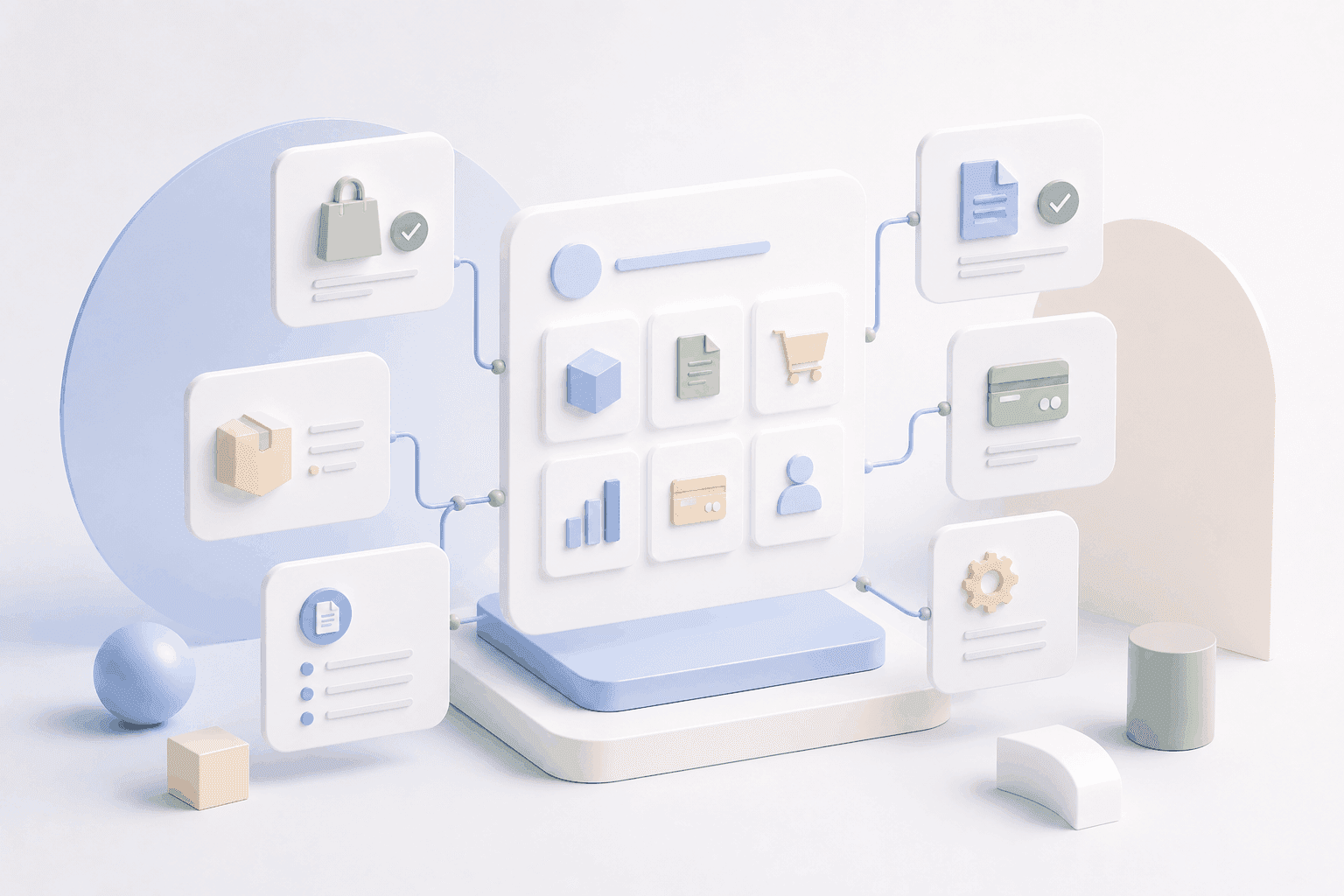
A well-designed digital customer portal transforms the daily work on both sides. For your customers, it means:
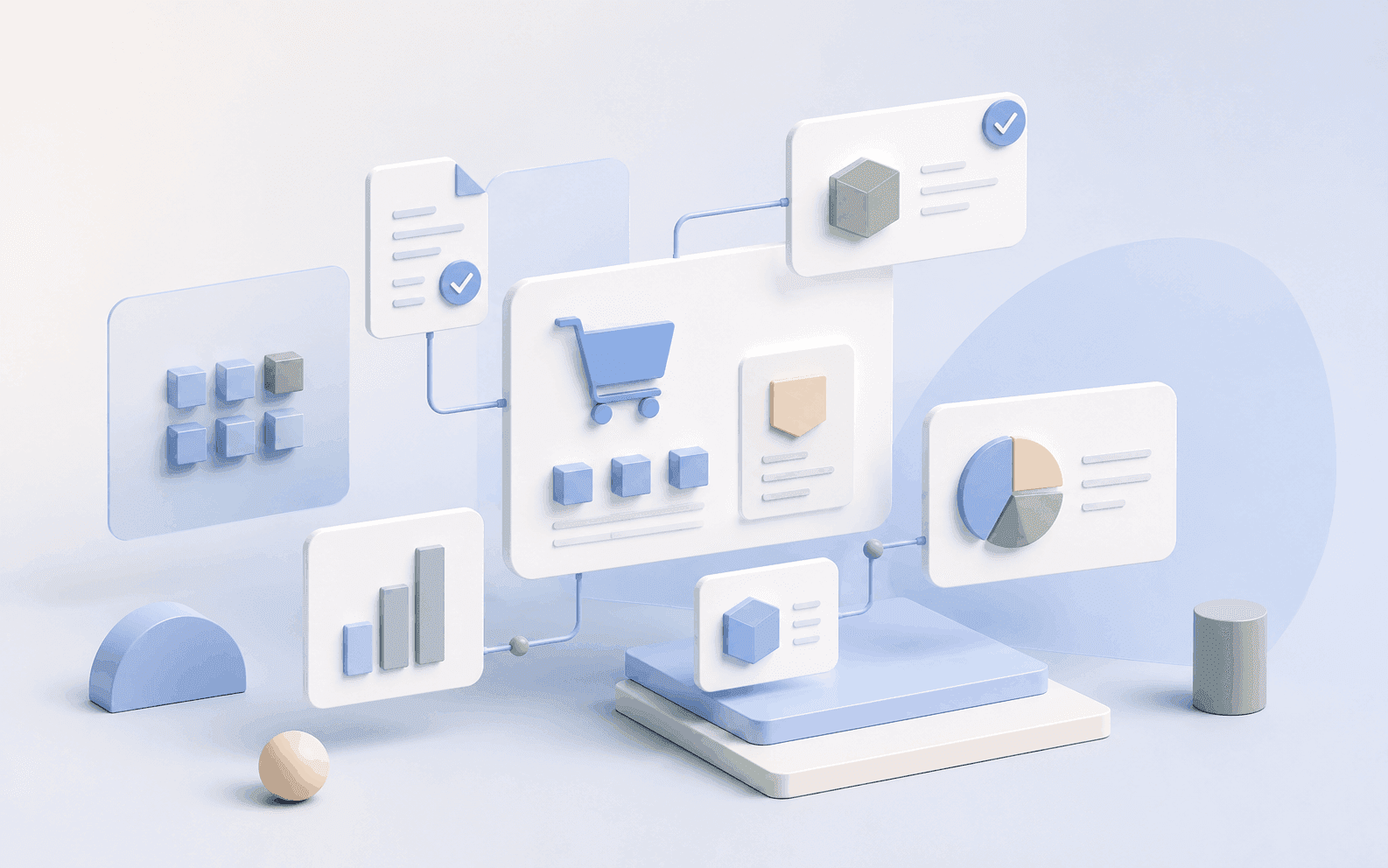
Quick orders with individual conditions and instant availability display
Spare parts finder with compatibility check
Independent access to all relevant documents
Order history and status tracking around the clock
For your sales team, the quality of work changes fundamentally. Instead of spending time on manual ERP queries, attaching files, and callbacks, the team focuses on value-added activities:
Proactive offer creation
Targeted follow-up actions
More intensive care of key accounts
Development of cross-selling and upselling strategies
This shift is measurable: Companies report significantly fewer standard tickets and much faster turnaround times for more complex inquiries after the introduction of consistently used portals.
The Technical Foundation: Integration is Everything
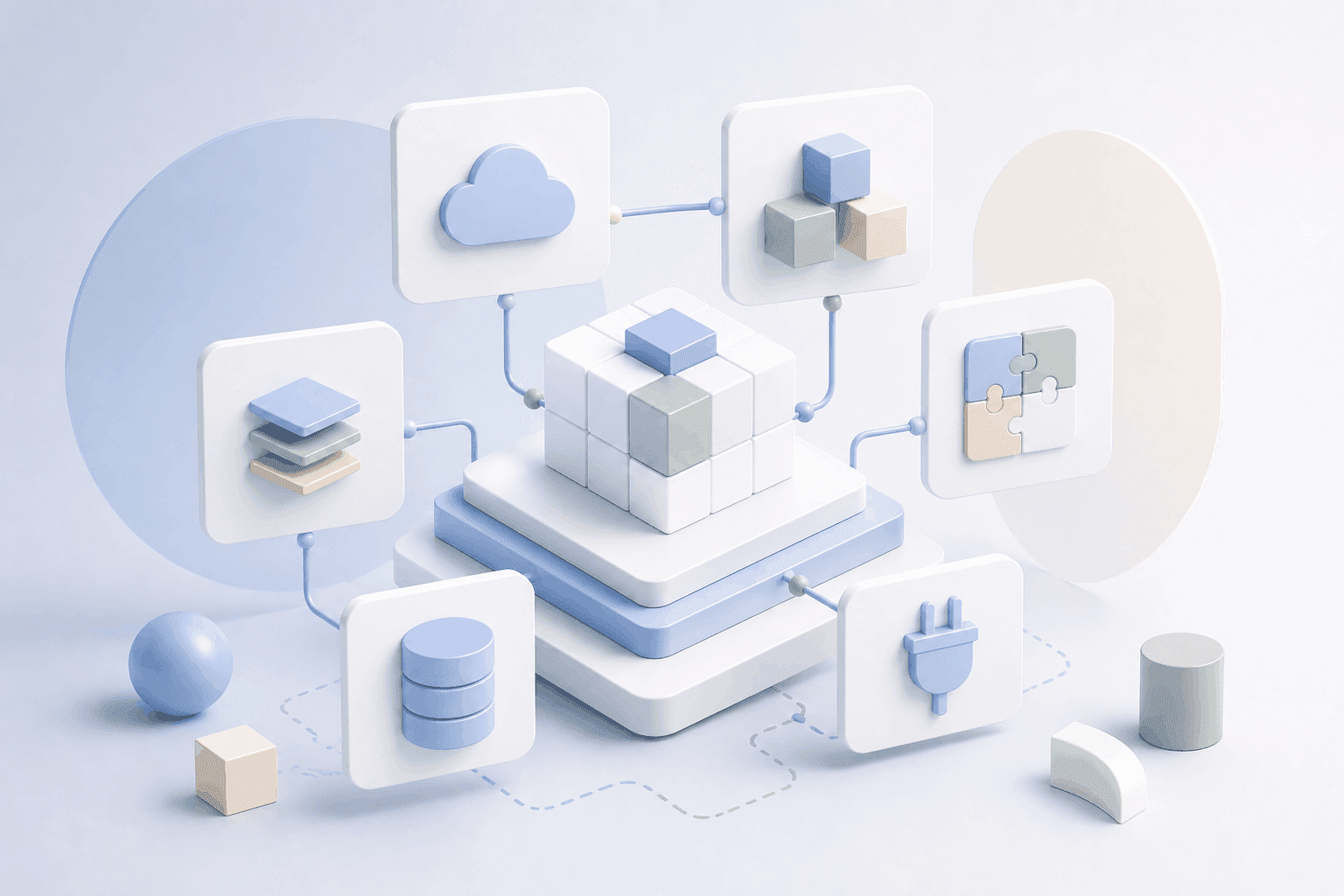
The technical basis of a successful customer portal follows a simple principle: The ERP sets the pace, and the portal makes it visible and usable. The more seamless this integration, the higher the acceptance.
Key factors are:
Clean API connection to the ERP system
Robust rights and permissions model for company accounts
Intuitive search function with facets and compatibility filters
Reliable operation with regular updates and quick troubleshooting
"The gained efficiency directly impacts business success in a positive way. Teams gain time for tasks that really count. Routines are relieved, processes are streamlined," as stated in a study on ERP integration.
Introduction is a Top Priority: Adoption First
A portal is not a magic solution you simply activate. The key to success is its introduction. Customers need to understand why using it is worthwhile, and they need to achieve their goals smoothly the first time.
Successful implementations focus on:
Clear communication of the benefits
Guided tour at first login
Saved shopping lists for repeat orders
Helpful notifications for shipping or availability
The sales force plays a key role. When your sales reps actively present the portal during customer meetings, link to it in follow-ups, and establish it as the preferred channel, software becomes noticeable service.
From Cost Center to Revenue Driver
A digital customer portal is not an end in itself. It is a strategic tool to generate additional revenue from freed-up capacity. When standard questions no longer fill the inbox, resources are freed for:
Targeted offers to existing customers
Development of bundles and accessory packages
Identification of upgrade potentials
Proactive consulting on new products
Here lies the real return on investment: What is now considered a "service" cost center, develops into a silent helper that provides the sales team with space for value-added activities.
Practical Example: From Phone to Portal
[PLACEHOLDER FOR TESTIMONIAL]
Frequently Asked Questions About Digital Customer Portals
How long does it take to introduce a digital customer portal?
The implementation time depends heavily on the complexity of your ERP landscape and the scope of the desired functions. With a Minimum Viable Product (MVP) approach, first functions can often go live in 8-12 weeks. A complete implementation with all integrations typically takes 4-6 months.
What is the return on investment of a customer portal?
The ROI consists of various factors: time savings in sales and service, higher customer satisfaction, and additional revenue through cross-selling and upselling. Companies typically report an amortization within 12-18 months, with the long-term strategic benefits often being more valuable than the pure cost savings.
How do we convince our customers to use the portal?
Acceptance stands and falls with the actual added value. Reliability of the data, intuitive operation, and a noticeable time advantage over traditional channels are crucial. Successful introductions often combine personal training by the sales team with clear incentives for initial use, such as exclusive offers or services in the portal.
What functions are indispensable at the beginning?
A successful Minimum Viable Product (MVP) should offer at least the following features: product catalog with customer-specific prices, availability information, ordering function with status tracking, and a document archive for quotes, order confirmations, and invoices. These core features already cover 70-80% of typical service requests.
How do we integrate the portal into our existing IT landscape?
Integration primarily occurs through interfaces to the ERP system, which acts as the leading system for master and transaction data. Modern portal solutions offer standardized connectors for common ERP systems like SAP, Microsoft Dynamics, or Sage. For more complex landscapes with multiple source systems, a middleware approach is often recommended to consolidate and prepare data.
Conclusion: From Reactive to Proactive Sales
A digital customer portal fundamentally changes the dynamics in B2B sales. It frees your teams from time-consuming routine tasks and creates space for strategic sales work. At the same time, your customers benefit from faster processes, greater transparency, and a service available around the clock.
The key success factor lies in the consistent integration with your core systems and a well-thought-out introduction strategy. When the data is accurate and the added value for everyone involved is noticeable, the portal becomes more than just another channel – it becomes a crucial lever for efficiency and growth.
Investing in a digital customer portal today builds a bridge to your customers and lays the foundation for sales to do what they are truly meant for: selling, consulting, and nurturing relationships.
Would you like to learn how a digital customer portal could specifically look in your company?
Contact us for a non-binding consultation. Together, we analyze your sales processes and develop a tailored strategy for your entry into digital self-service.