What Customers Expect Today
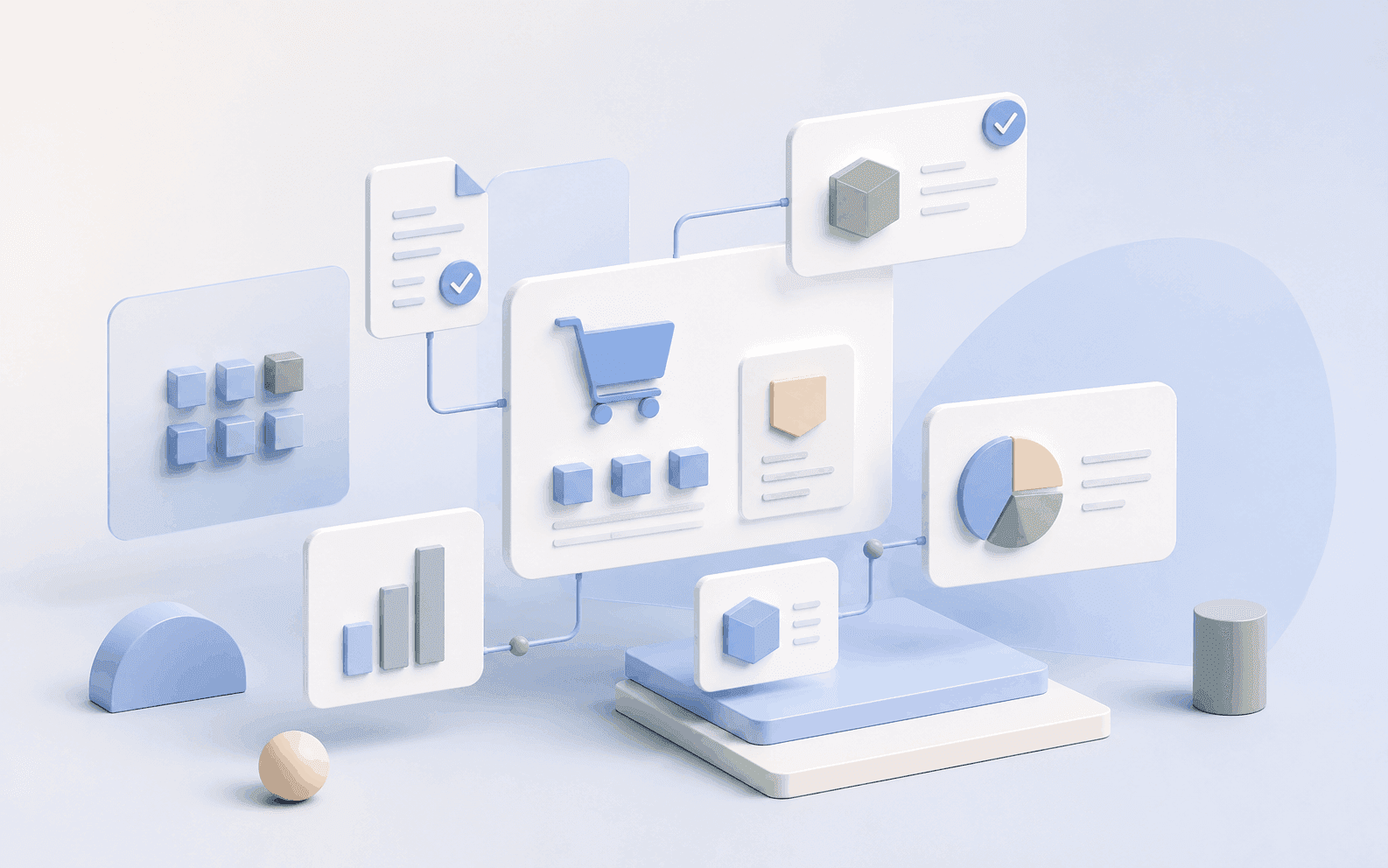
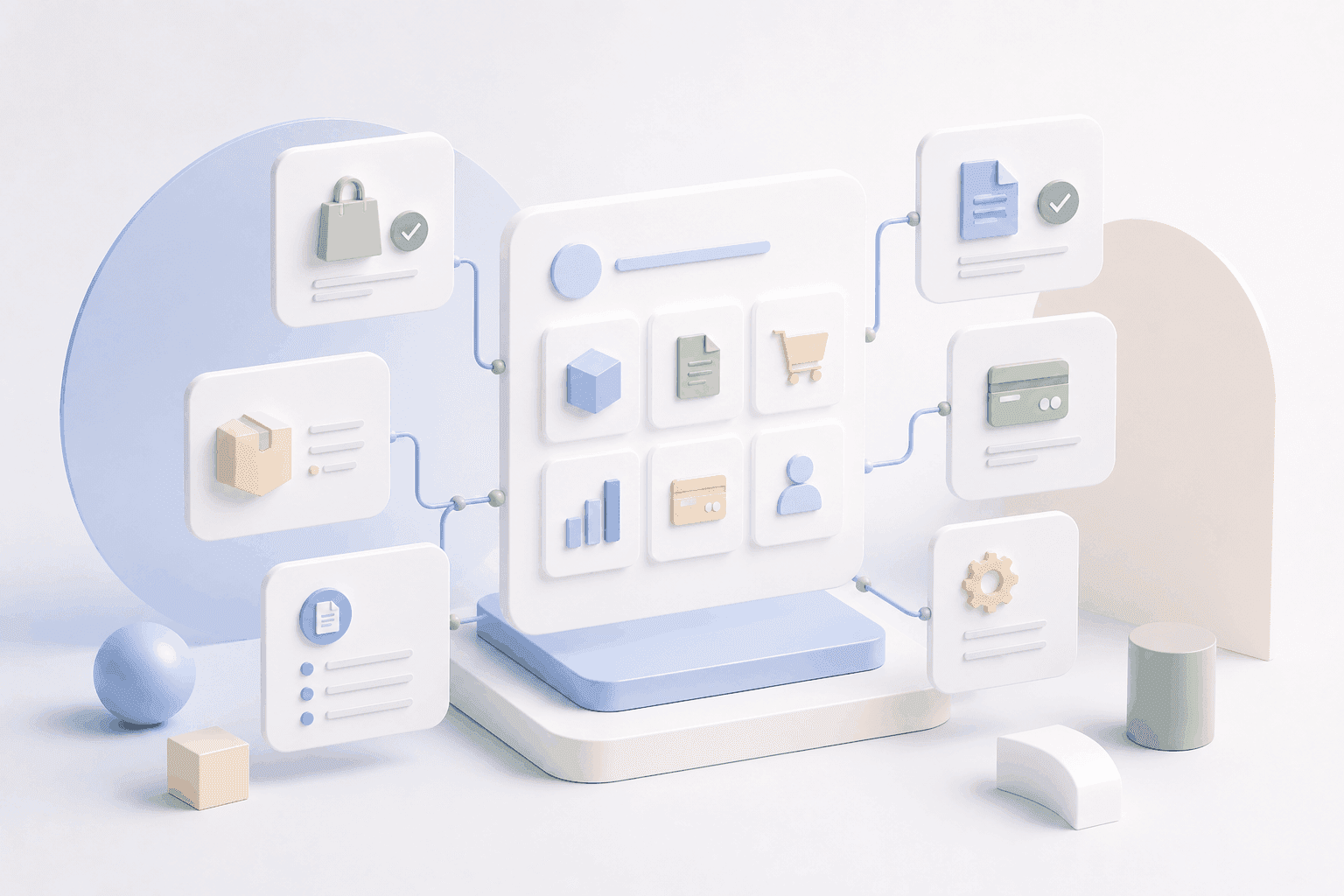
Procurement in B2B has become faster, more transparent, and autonomous. Your customers want to find information immediately – regardless of time or contact person. This includes: current delivery dates, technical documents, certificates, serial/batch info, operating manuals, service status, and an overview of past orders. A digital customer portal (also known as a digital customer platform) consolidates exactly this information in one place. The advantage: customers no longer need to make phone calls or write emails but can make decisions directly – increasing satisfaction as well as the speed of daily operations.
The Benefits for Your Customers
A good portal provides orientation in complex product worlds. Instead of searching for PDFs in folders or waiting for answers, customers find context-specific information in seconds. They can see which machine needs which replacement part, which documents belong to which order, and the current processing status. This reduces uncertainty and follow-up questions, accelerates approvals internally at the customer's end, and strengthens trust in your capabilities. In short: Self-service becomes a product feature – your brand feels faster, more reliable, and more modern.
The Benefits for Your Business
Internally, the digital customer platform also has an immediate impact. The internal service team spends less time on standard inquiries and can focus on value-added tasks. At the same time, the error rate decreases because price, inventory, schedule, and document data are provided more consistently. Sales and service work with the same data foundation, simplifying handovers and shortening response times. And as the portal reveals usage behavior (which documents, products, and machines are accessed most frequently), a solid basis is created for consulting, up- and cross-selling, and for product and service improvements.
Start Small – Grow Big: The Pragmatic Approach
Many successful B2B companies intentionally start without prices, tiered pricing, or order functionality. The first step is an information portal: well-structured, searchable, with login, roles/rights, and a reliable document center. The goal is to eliminate the most common inquiries from your customers and establish self-service as a habit.
Once this foundation is stable, features are released incrementally – such as order overview, delivery tracking, ticketing/RMA, quick ordering via CSV or parts list, later customer-specific conditions, and real-time availabilities. This approach minimizes project risks, speeds up proof of benefits, and increases internal acceptance because each expansion stage delivers noticeable effects.
What Matters in the First Expansion Stage
For Phase 1, quality is more important than the variety of functions. Critical factors are: clear information architecture, efficient search, a robust permissions model, and reliable data sources. When documents, delivery dates, and service status are accurate, trust is built – the toughest currency in B2B. On this solid ground, you can later build commerce and after-sales processes without having to revisit the foundation.
Step by Step to Added Value
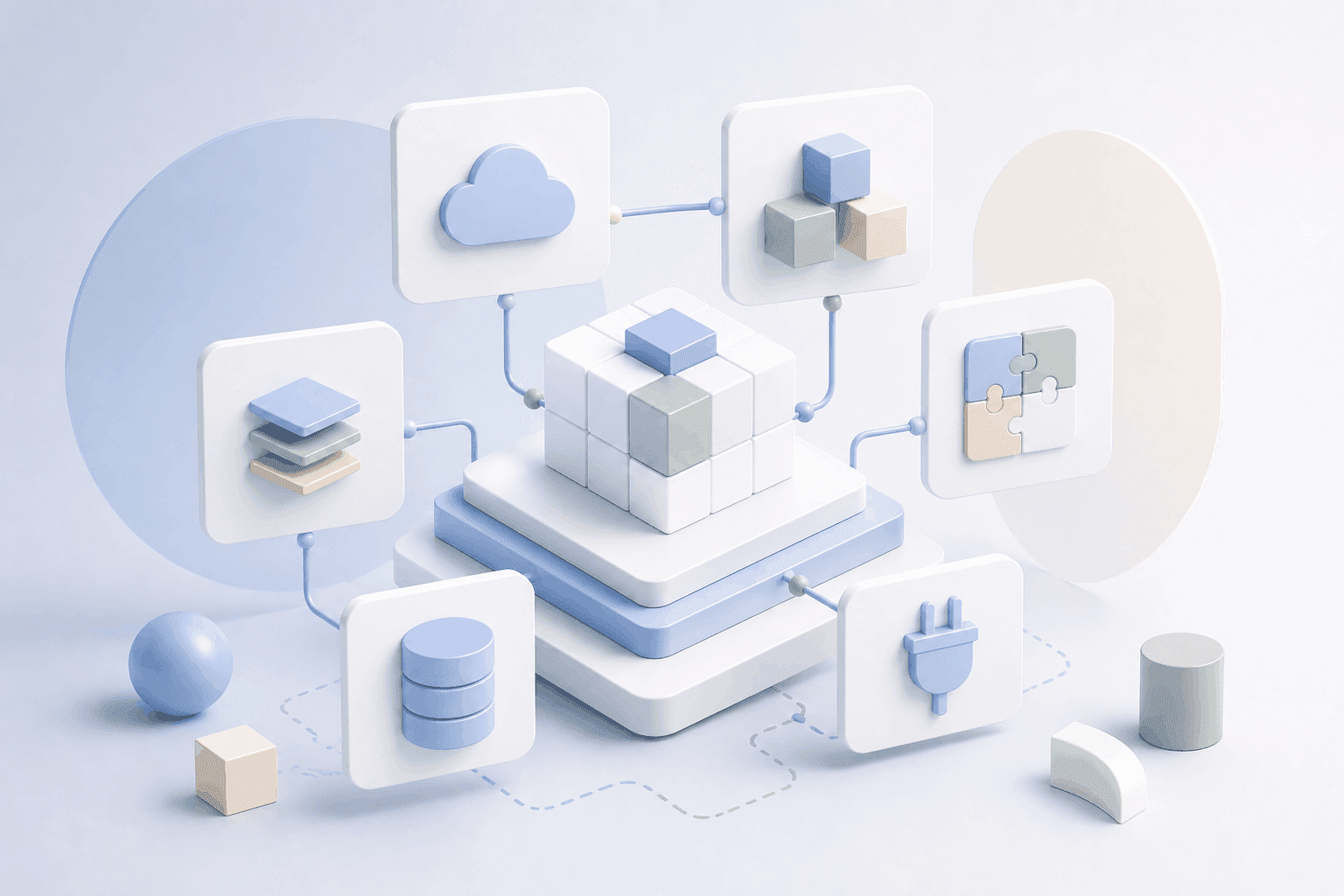
With each expansion stage, the benefits grow – for both sides. Customers save time and make more confident decisions. Your team reduces tickets, consolidates knowledge, and works more productively. The digital customer platform becomes a data hub between ERP, PIM/DAM, CRM, and service systems. Thus, from the initial step of quality information provision, you create a scalable foundation for self-service, recurring revenue (spare parts, consumables, maintenance), and data-driven consulting.
Conclusion
A digital customer portal is not a list of features, but a promise: reliable information, transparent processes, and noticeably less friction – today as an information hub, tomorrow as a full-fledged self-service and commerce platform. The right start is small, focused, and data-solid. The impact is significant: satisfied customers, relieved teams, and sales that have time again for what only humans can do – advise, develop, grow.
Would you like to see how this looks in your environment? Book a non-binding consultation. In 30–45 minutes, we'll outline your 90-day roadmap: from the information portal (Phase 1) to the scalable digital customer platform.