From Concept to Implementation: How B2B Companies Achieve Sustainable Growth Through Digital Solutions
In an era where digital transformation is no longer a buzzword but a survival strategy, many Dutch mid-sized manufacturers and wholesalers face a crucial question: How can a digital sales strategy be developed that not only looks good on paper but delivers measurable results daily? The answer lies in an often underestimated element: the customer portal as the central hub of your digital sales activities.
While companies often invest in elaborate strategy processes, many fail in practical implementation. Too complex, too theoretical, too little focused on the daily needs of customers - the list of obstacles is long. However, there is a pragmatic approach that effectively connects theory and practice.
This article explains why a well-designed customer portal should be the centerpiece of your digital sales strategy, how it can ease the workload of your teams, and the specific steps needed for successful implementation. Read on to understand how concepts finally turn into revenue.
Why a Customer Portal Supports the Sales Strategy
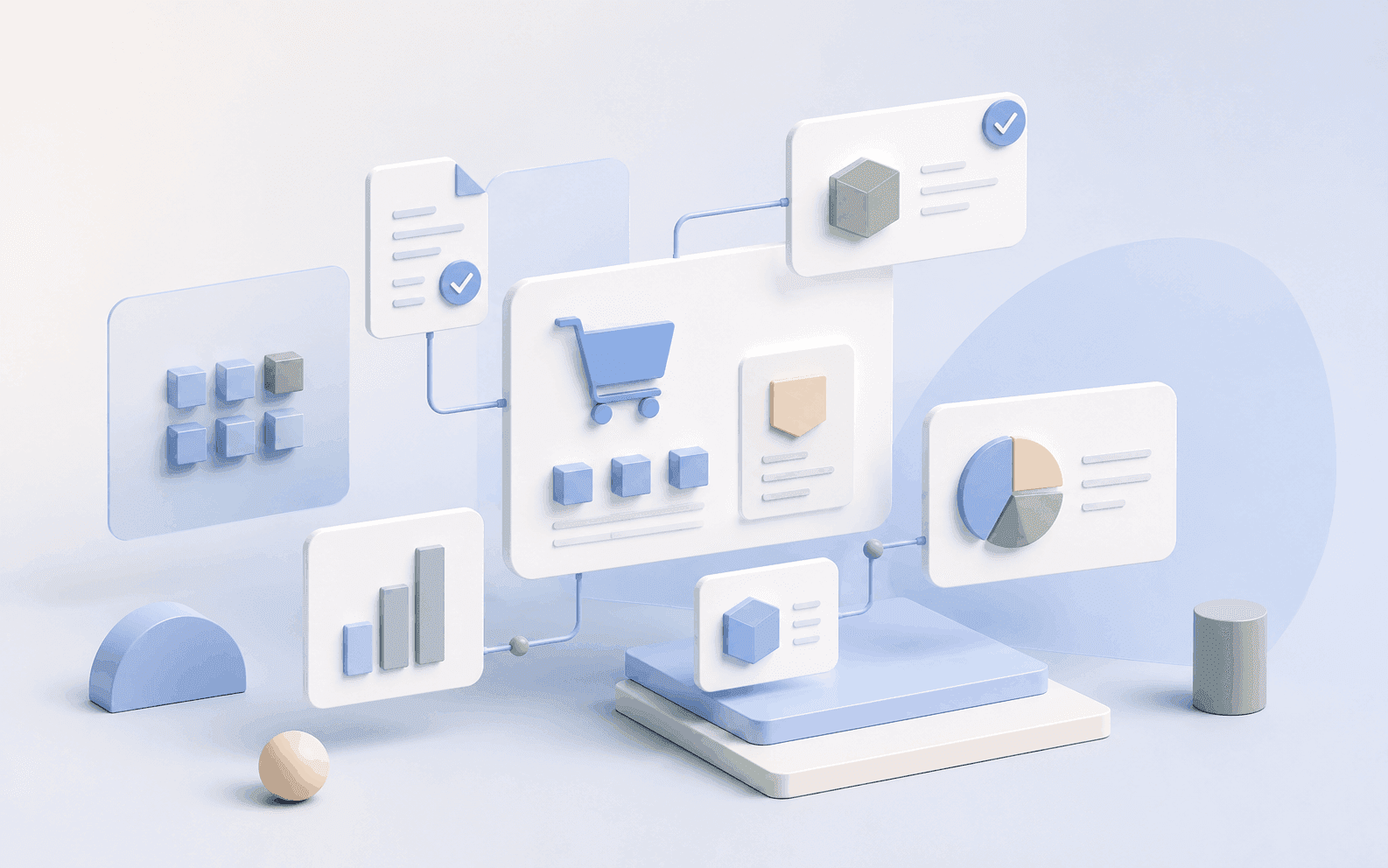
The times when B2B customers waited patiently for offers, browsed catalogs, or called sales reps are over. In B2B today, speed, reliability, and transparency are the currencies that build trust. A well-thought-out customer portal provides key information without delay - exactly in the logic of your ERP system.
Prices, conditions, delivery dates, documents, roles, and approvals align with purchasing reality. When your customers have this experience, standard inquiries automatically shift to self-service. The result? Your sales team gains valuable capacity for qualified offers, cross-selling activities, and intensive key account management.
"Simplicity, speed, and transparency will be more important than ever for B2B sales in the future. However, there is also a great opportunity for companies entering e-commerce now."
The implementation of a customer portal is not just a technical project. It is the tangible manifestation of your digital sales strategy – the point where abstract concepts translate into daily customer experiences.
Self-Service as a Lever for Relief and Growth
A digital customer portal not only reduces tickets and inquiries. It fundamentally changes the quality of your customer contacts. Orderers use quick-order functions instead of PDF lists, maintainers find suitable spare parts through intelligent compatibility searches, and accounting independently retrieves necessary documents.
These routines create free space in your sales team's calendars and open up opportunities for high-margin conversations. At the same time, a valuable data foundation emerges, which your digital sales strategy lacks if daily business only takes place in the inbox. You gain insights into who regularly reorders which products, which accounts are subject to seasonal fluctuations, where accessories and consumables can be offered usefully, and which customers should be actively developed by sales.
The advantages of an effective self-service area in B2B are manifold:
Relieve internal sales from repetitive inquiries
Increased customer satisfaction through 24/7 availability of information
Better data quality through structured capture
Reduced process costs for standard transactions
Faster response times for complex inquiries
How fortunate that digital sales technologies like tablet commerce also relieve your sales reps and help them focus on precisely these customer relationships. Instead of dealing with administrative tasks, your sales reps now have more time for the most profitable customers!
Cross- and Upselling Based on Real Usage
The most effective campaigns in B2B are not born from gut feeling but from real customer behavior. The portal provides precisely these valuable signals. Whoever orders item X will likely need accessory Y in three months. Those using machine A benefit from service package B. Frequent order cancellations may indicate a need for different payment options or clearer delivery promises.
Your digital sales strategy becomes concrete because you can act along shopping carts, repeat purchases, and user behavior in the portal. Email automation, personalized offers, and discount levels seamlessly work together without sales diving into extensive data research.
Personalizations in the customer journey, the possibilities of digital support, and features like recurring shopping carts ensure an optimal user experience in your e-commerce offering right from the start. Thus, a dedicated B2B portal becomes the success guarantor for the future of your sales.
Imagine: A buyer at one of your major customers logs into the portal in the morning and sees not only his last orders but also suitable supplementary products based on his actual purchasing behavior. The likelihood of him adding these additional products to the cart increases exponentially - without your sales team having to take action.
Architecture that Builds Trust
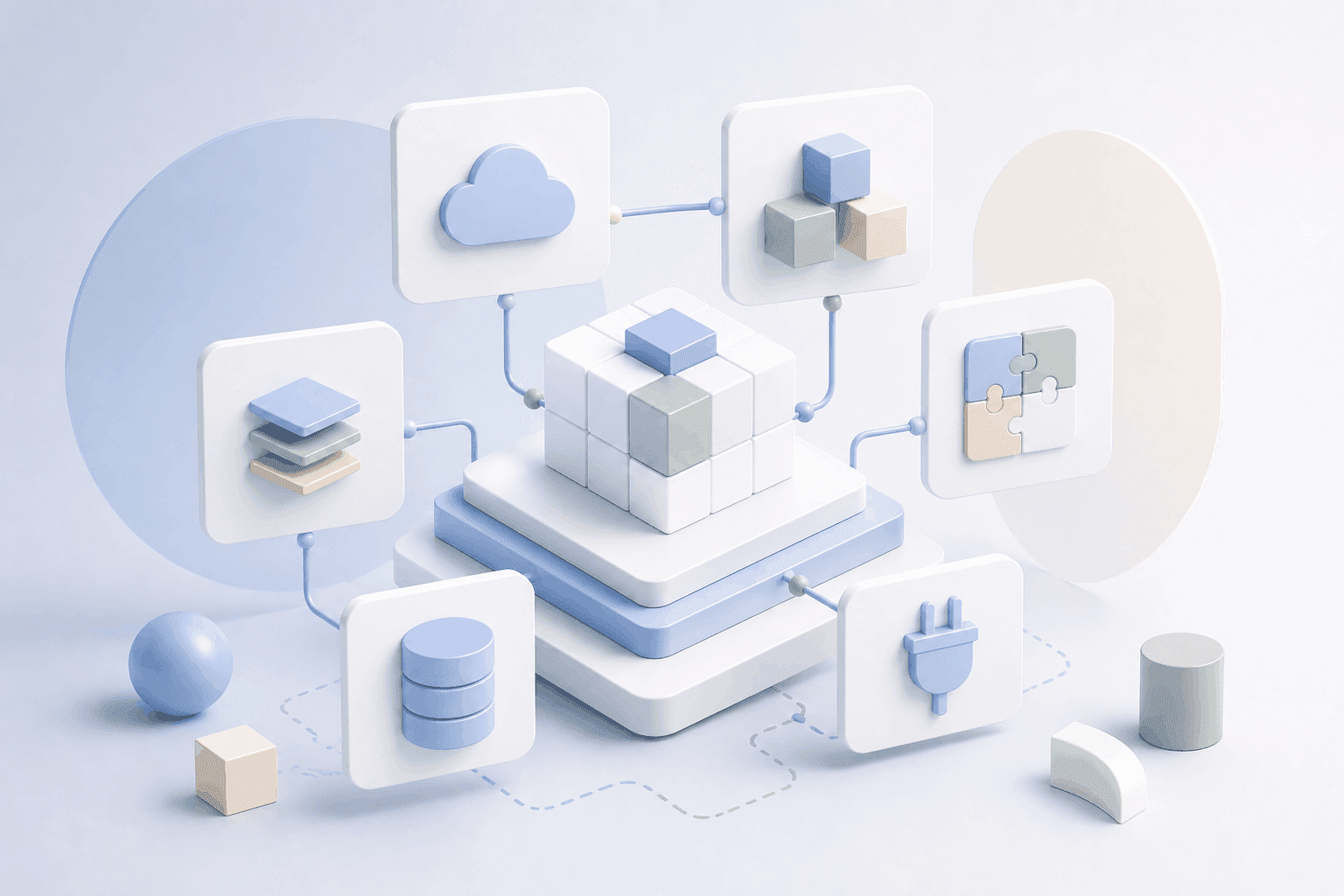
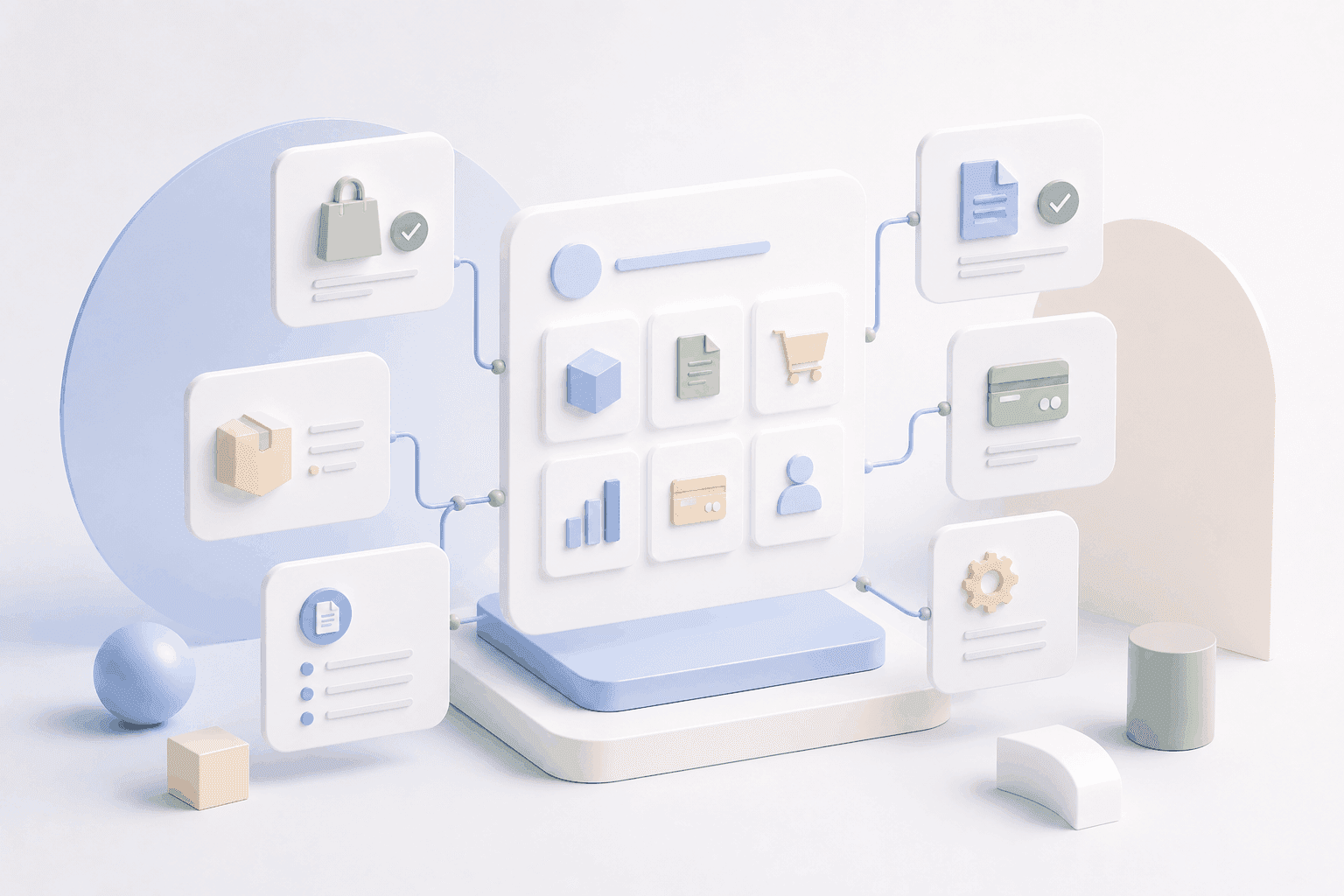
A customer portal can only become an effective control center if the technical foundation is stable and well-thought-out. The ERP system remains the central source for prices, availabilities, and documents. The portal reflects these data and orchestrates them for the customer. Your PIM-System supplies the search logic and variant structure, the CRM anchors contacts and opportunities, while auth systems regulate roles and authorizations.
All systems communicate via APIs to ensure data needs to be maintained only once. This modular architecture (Composable Architecture) is not an end in itself but ensures that statements remain consistent and that your team can implement changes live in days instead of months. This is exactly what a digital sales strategy requires, which does not fail at the first special case.
The key components of a solid portal architecture are:
ERP integration for current price and availability data
PIM connection for structured product information
CRM linkage for customer-specific offers and conditions
Authentication and authorization system for secure role management
Flexible API interfaces for future expansions
Knowing your products' touchpoints allows you to provide better shopping experiences at every point of the customer journey with the right content. This way, you can create long-term customer loyalty in the digital space too – provided your company knows its target group well enough to tailor the content to them.
Adoption First instead of Feature Catalog
Without active use, any portal remains just a good intention. The crucial difference emerges during the introduction phase. Existing customers need a brief tour on first login, a simple quick-order function, saved shopping lists, and notifications that are genuinely helpful.
Your field and inside sales must embed the portal in appointments, follow-ups, and offers right from the start. Internally, short training sessions and a clear playbook help. This creates a usage pattern that supports your digital sales strategy – not because it was mandated but because it is noticeably faster and more reliable than the old processes.
Successful portal projects are characterized by the following features:
Focus on core functions instead of overloading with features
Clear onboarding strategy for existing customers
Measurable usage goals instead of vague declarations of intent
Continuous improvement based on user feedback
Active involvement of sales in the introduction phase
Management with Numbers that the CFO Signs Off
A strategy will only receive long-term funding if it can be calculated. A customer portal makes the success of your digital sales strategy measurable. Active accounts, first logins, first orders, reorder rate, quick-order quote, self-service share of all transactions, ticket reduction, service throughput times, contribution margin per channel – these key figures clearly show whether your digital sales strategy is effective.
They set clear priorities and prevent a return to inefficient meeting policies. Monthly KPI dashboards with clear decision implications manage the channel like a product, not a project. This builds trust with the management and secures long-term investments in your digital sales strategy.
Example: If analysis shows that customers using the portal have an order value 30% higher than traditional customers, even the most skeptical CFO will support the investment in portal development.
What This Means for Your Operating Model
When the portal becomes the control center, roles within your company inevitably change. Sales focuses on developing the right accounts, service resolves complex cases more quickly, marketing works with signals from actual usage, and IT manages integrations and ensures stability instead of creating ad-hoc exports.
To quickly establish this new order, you can outsource operations and further development to an external e-commerce department and later integrate it back into the company in an orderly manner. Strategic preliminary work starts with focused strategy development. Those seeking governance at the executive level establish an e-commerce advisory board. The key is that the customer portal remains the common metronome in all models.
Continuously rethink your market positioning and derive a suitable e-commerce strategy from it. Previously neglected niches or combinations of traditional and digital products may prove more lucrative with newly developed business models than previously thought.
Conclusion: From Theory to Practice
A digital sales strategy unfolds its impact when the customer portal becomes the control center. Self-service relieves your teams, data creates target images for cross- and upselling, integrations ensure reliability, and clear governance keeps the course steady. This way, theoretical concepts translate into tangible revenue.
Implementing a successful digital sales strategy requires three crucial steps:
Strategic clarity: Precisely define what goals you want to achieve with the portal and how it fits into your overall strategy.
Technical excellence: Build on a solid, integrated architecture that guarantees scalability and flexibility.
Consistent adoption: Ensure that both your customers and employees actively use the portal and experience its benefits.
If you want to know which features have the most impact on your customers and how you can generate noticeable usage in just a few weeks, the first step is a comprehensive analysis of your current sales processes and customer requirements. From there, a tailor-made concept can be developed to fit your company precisely.
Frequently Asked Questions about Digital Sales Strategy
How long does it take to implement a B2B customer portal?
With an MVP approach (Minimum Viable Product), a functional customer portal can be live within 6-8 weeks. The full range of features is then gradually expanded, based on customer feedback and usage data.
Which systems must be integrated for a successful customer portal?
At the very least, ERP (for price and availability data), PIM (for structured product data), and an authentication system should be connected. CRM, marketing automation, and analytics systems are added depending on requirements.
How do we convince our customers to use the portal?
The key is genuine added value: Faster processes, better availability information, easier reordering, and personalized offers. Additionally, a well-thought-out onboarding process, clear communication of benefits, and initial incentives like special conditions for portal orders help.
How do we measure the success of our digital sales strategy?
Establish a dashboard with clear KPIs such as portal usage, conversion rate, average order value, reorder rate, and self-service share of all customer interactions. Regularly compare these values with traditional sales channels.
Can a customer portal replace our field sales?
No, but it changes its role. Instead of taking orders and answering standard questions, field sales can focus on strategic advice, complex projects, and expanding customer relationships. This ultimately leads to higher-quality contacts and better results.
Would you like to learn how a tailored customer portal can bring your digital sales strategy to life? Contact us for a non-binding consultation. Our experts will analyze your specific situation and show you concrete ways to implement your strategy.