Saying “E-commerce” in a sales meeting often causes tension. The myth: Digitization replaces field sales. This is, if I may say, nonsense. Digitization removes friction. It clears routine tasks so your best salespeople can focus on what they are paid to do: Understand needs. Build solutions. Close deals.
The most dangerous misconception
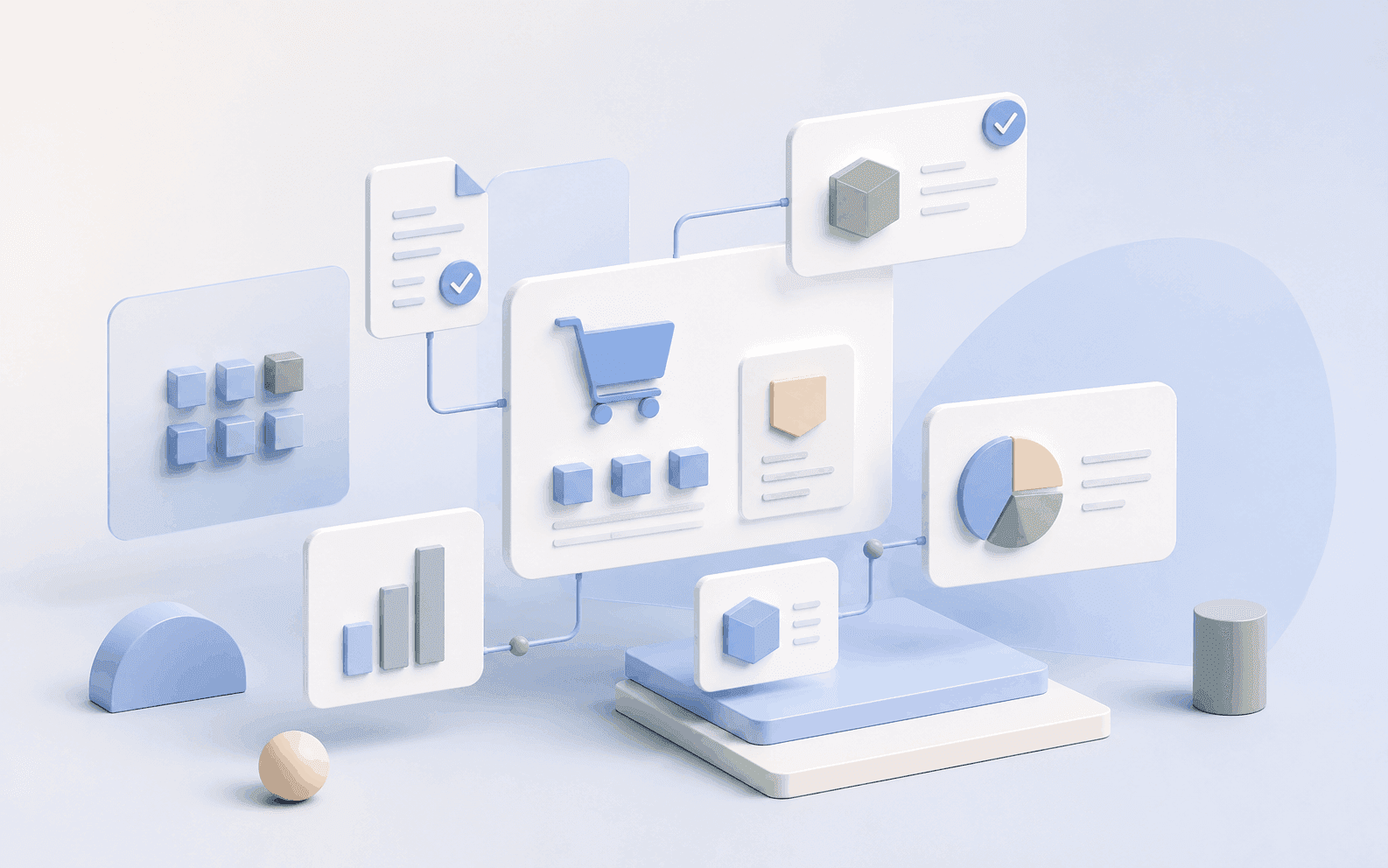
Software doesn’t replace relationships. It replaces waiting time. Customers want answers in minutes, not email threads. They want prices, availability, documents, and status updates where they work – with no hassle. And when things get complex, they want someone who speaks the language of practice. The digital channel handles routine; the field sales handle the business. In this order. In this synergy.
Why you really need field sales today
Good salespeople are not just an extension of your shopping cart. They are architects of outcomes. In a modern model, field sales manage the account instead of pushing each reorder personally. They discover potentials, negotiate packages instead of single items, coordinate stakeholders, prevent churn – and boost revenue where trust beats price. All this can only succeed if standard cases work without them.
The architecture that makes this happen
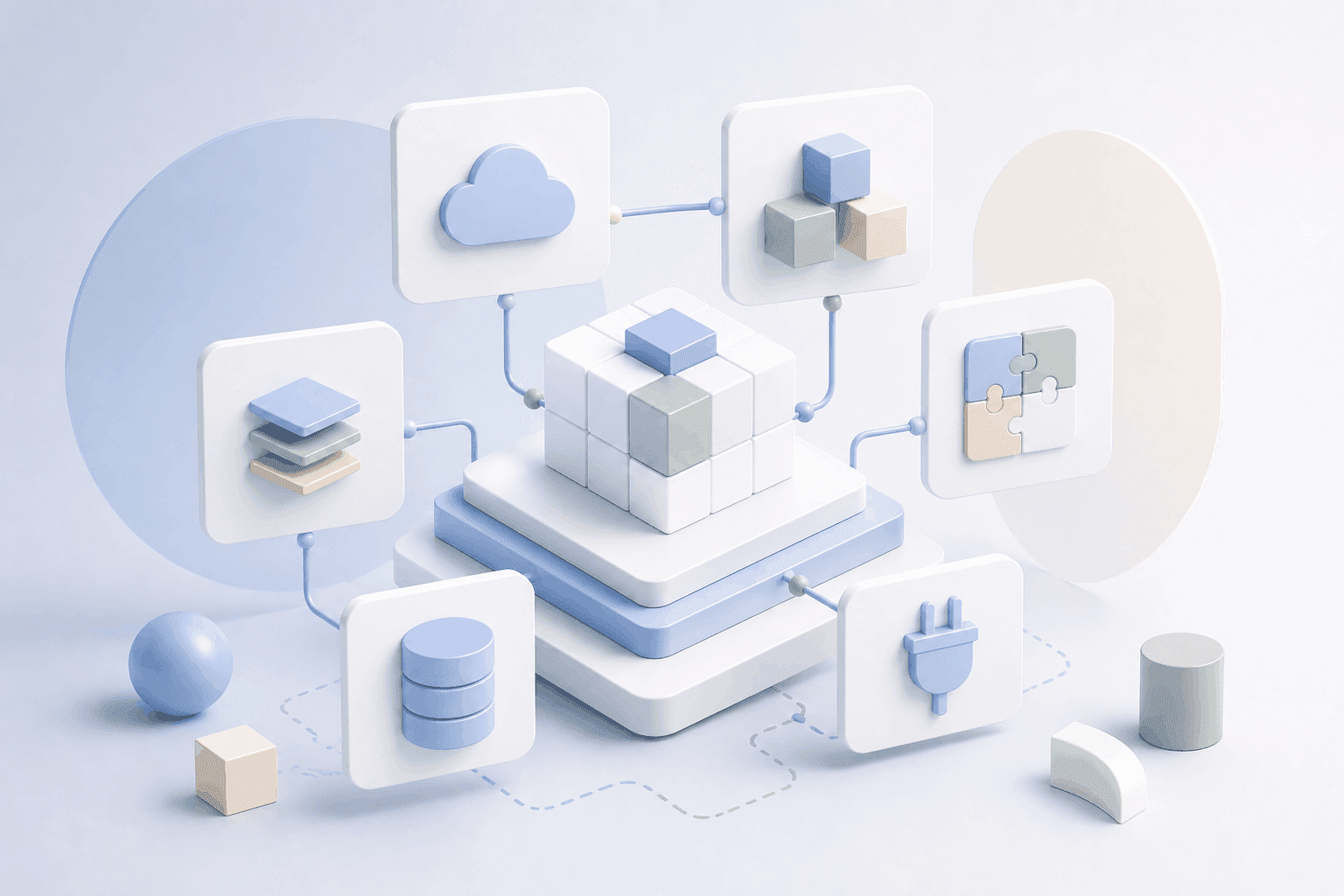
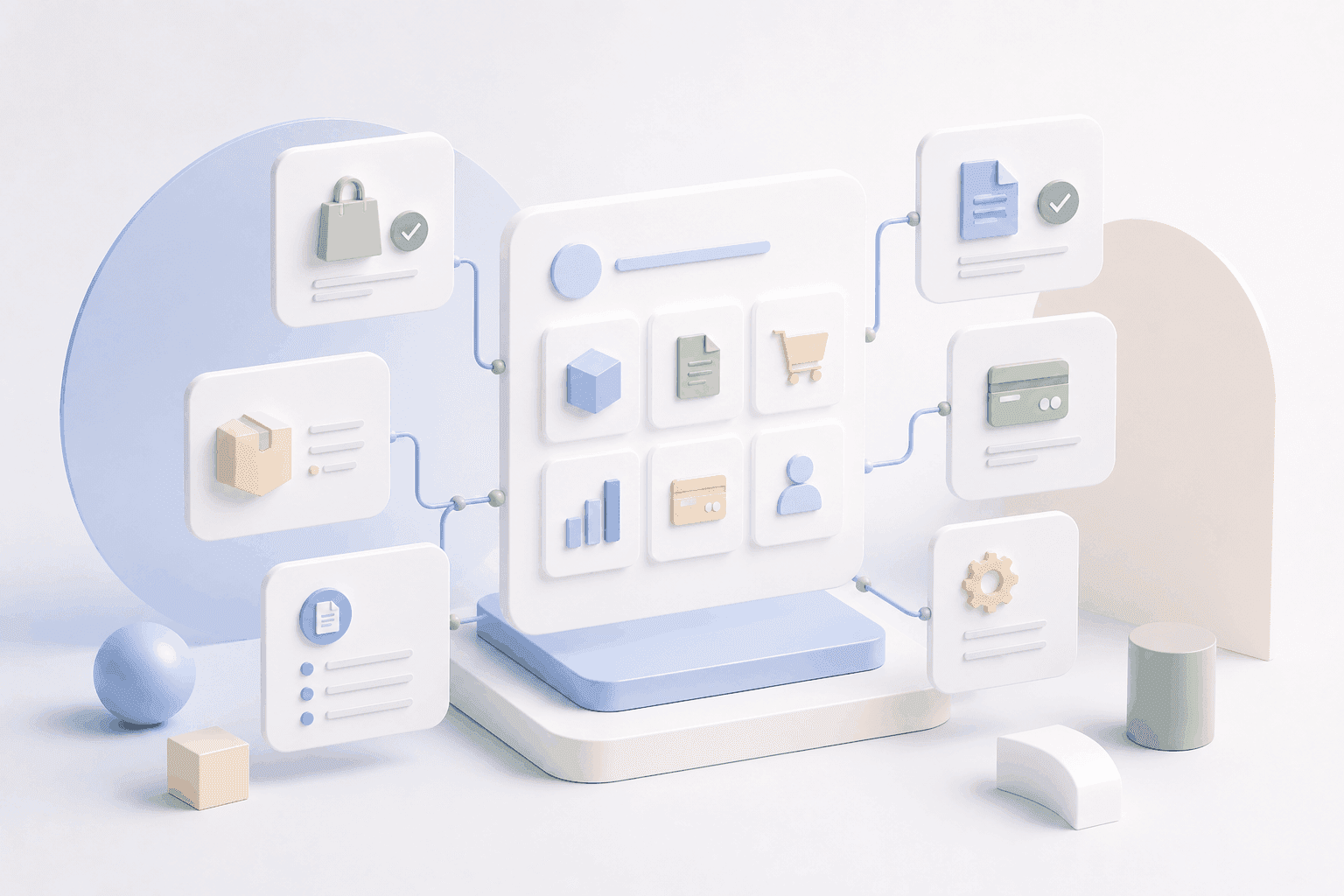
A customer portal with individual prices is the beginning. It communicates with your ERP to ensure numbers are accurate, and with your CRM so nothing gets lost. Your marketing automation nurtures cold contacts and turns clicks into appointments. This creates a seamless process, not a parallel universe: from initial interest to repeat orders – measurable, repeatable, scalable. Your field sales won’t shrink, but they will sharpen.
The fear of cannibalization – solved
Commission logic can kill adoption. If your team sees online purchases as a threat, you push customers back to the phone – and back to the past. Introduce a simple, fair principle: personal sales targets plus a team-wide bonus on digital revenue in the portfolio. When everyone benefits from online purchases, your system begins to breathe.
Recognizing progress
Real progress is felt before it is calculated. Standard inquiries decrease; consultation appointments increase. The first online order from a new account arrives within days, not weeks. Your field sales report more about solutions than delivery slips. Activation rates increase, repeat purchases become predictable, shopping carts grow – and your pipeline looks like a system, not chance.
Change without drama
People follow purpose, not software. Clearly state what will improve – for customers, for sales, for daily work. Show immediate personal gain: six fewer hours of routine work per week is more convincing than any roadmap. Train briefly and frequently. Anchor playbooks in the CRM. Have your best salespeople share the first success stories. Culture is built on stories, not slides.
The elegant start: Strategy development instead of a flurry of tools
Starting with tools ends at the toolbox. Starting with a clear vision builds a sales force that sells. That’s why we created our strategy development: a focused process where we work with your management and sales to determine how digitization works in your context – not just in a textbook.
We answer three critical questions:
Which tasks will the digital channel handle in the future, and which remain intentionally human?
Which customer experiences deliver immediate tangible value – for buyers and sellers?
How do we measure success, so progress isn’t just a gut feeling?
At the end, you don’t get a set of slides, but a practical plan: a vision, prioritized use-cases, clear responsibilities, a realistic path from first pilot to scaling. Simply put: It’s the shortcut from “we should do something” to “it’s already working.”
If you’re serious: Let’s talk about your strategy development. In a short time, you’ll see how the digital channel takes on routine – and your field sales take the stage where they perform best.